
Ring added 4K video to a battery-powered doorbell in 2025 — something no competitor had delivered at that price point. Google launched the Nest Doorbell (Wired, 3rd Gen) with Gemini AI that generates natural-language event descriptions without requiring a subscription. In the same period, both brands hiked subscription prices, triggered privacy investigations, and lost meaningful ground to Eufy and Reolink among buyers who have had enough of the monthly-fee treadmill.
I installed both flagships on my test property in March 2026 — the Ring Battery Doorbell Pro (2nd Gen) at the front door and the Google Nest Doorbell (Wired, 3rd Gen) at the side gate. Both positions receive morning backlighting from the east, a legitimate exposure stress test that separates competent HDR processing from marketing claims. I ran them through 60 days of daily operation, logged every false alarm across two motion zone configurations, and deliberately stress-tested what happens when Wi-Fi goes down and when power fails.
This is not a close race in every category. Ring wins on raw hardware: 4K, color night vision, and a faster notification pipeline. Nest wins on day-to-day intelligence: free AI descriptions, a free clip buffer, and Gemini summaries that actually reduce the number of alerts you need to manually investigate. The right choice depends almost entirely on which smart home ecosystem you already live in — and how comfortable you are with the fact that both companies have a documented history of cooperating with law enforcement data requests.
Quick Verdict
Best for Alexa households: Ring Battery Doorbell Pro (2nd Gen) — native integration with routines, Echo Show live feeds, and visitor announcements that work without workarounds
Best for Google Home households: Google Nest Doorbell (Wired, 3rd Gen) — full native automation, Gemini AI descriptions free at every tier
Best 4K video and night vision: Ring Battery Doorbell Pro (2nd Gen) — the only 4K battery doorbell in this class, with True-Color Night Vision at 30+ feet
Best free tier value: Google Nest Doorbell (Wired or Battery) — 6 hours of event clips and full AI detection at zero cost; Ring offers literally nothing without a paid plan
Best budget entry: Ring Wired ($49.99) — lowest hardware cost, reliable wired power, Alexa integration intact
Best for privacy-conscious buyers: Neither — both are cloud-only with documented law enforcement data sharing. See our Best Video Doorbells Without Subscription 2026 for Eufy and Reolink alternatives.
Testing Methodology

I evaluated both doorbells across 60 days of real-world use at my dedicated test property. Both units were mounted at 48 inches — the optimal height for capturing visitor face geometry rather than a top-of-head angle — in positions with consistent foot traffic from package deliveries, neighbors, and a 40-pound border collie who patrols the front walkway at variable hours. I logged every motion alert for 30 consecutive days to establish a false alarm baseline, tested both units across three rain events in April, and ran a deliberate power-fail and Wi-Fi-outage test using my UPS to simulate a 4-hour infrastructure loss. Monitoring notification times were recorded to the second using a stopwatch and a secondary phone running each respective app, independent of the primary device.
Pricing Head-to-Head
| Model | Hardware Cost | Base Subscription | Annual Cost (Year 1) |
|---|---|---|---|
| Ring Wired | $49.99 | $4.99/mo (Basic, 1 device) | $109.87 |
| Ring Battery (2nd Gen) | $99.99 | $4.99/mo (Basic) | $159.87 |
| Ring Battery Plus (2nd Gen) | $179.99 | $9.99/mo (Standard, unlimited) | $299.87 |
| Ring Battery Doorbell Pro (2nd Gen) | $249.99 | $9.99/mo (Standard) | $369.87 |
| Ring Wired Pro | $229.99 | $9.99/mo (Standard) | $349.87 |
| Ring Elite | $349.99 | $9.99/mo (Standard) | $469.87 |
| Nest Doorbell Battery (2nd Gen) | $129.99–$179.99 | $10/mo (Premium Standard) | $249.99–$299.99 |
| Nest Doorbell Wired (3rd Gen) | $179.99 | $10/mo (Premium Standard) | $299.99 |
| Nest Doorbell Wired (3rd Gen) + Advanced | $179.99 | $20/mo (Premium Advanced) | $419.99 |
One critical data point: Ring’s cheapest plan ($4.99/month) covers one device only with 60-day event history. A second Ring camera pushes you to the $9.99/month Standard plan. Nest’s free tier gives you 6 hours of event clips and full Gemini AI detection without any plan. Ring’s equivalent free tier is a live-view intercom with no stored footage whatsoever.
Prices sourced from ring.com/plans and store.google.com as of May 2026. Check both sites for current rates — both brands have a history of mid-cycle price increases.
Feature Comparison
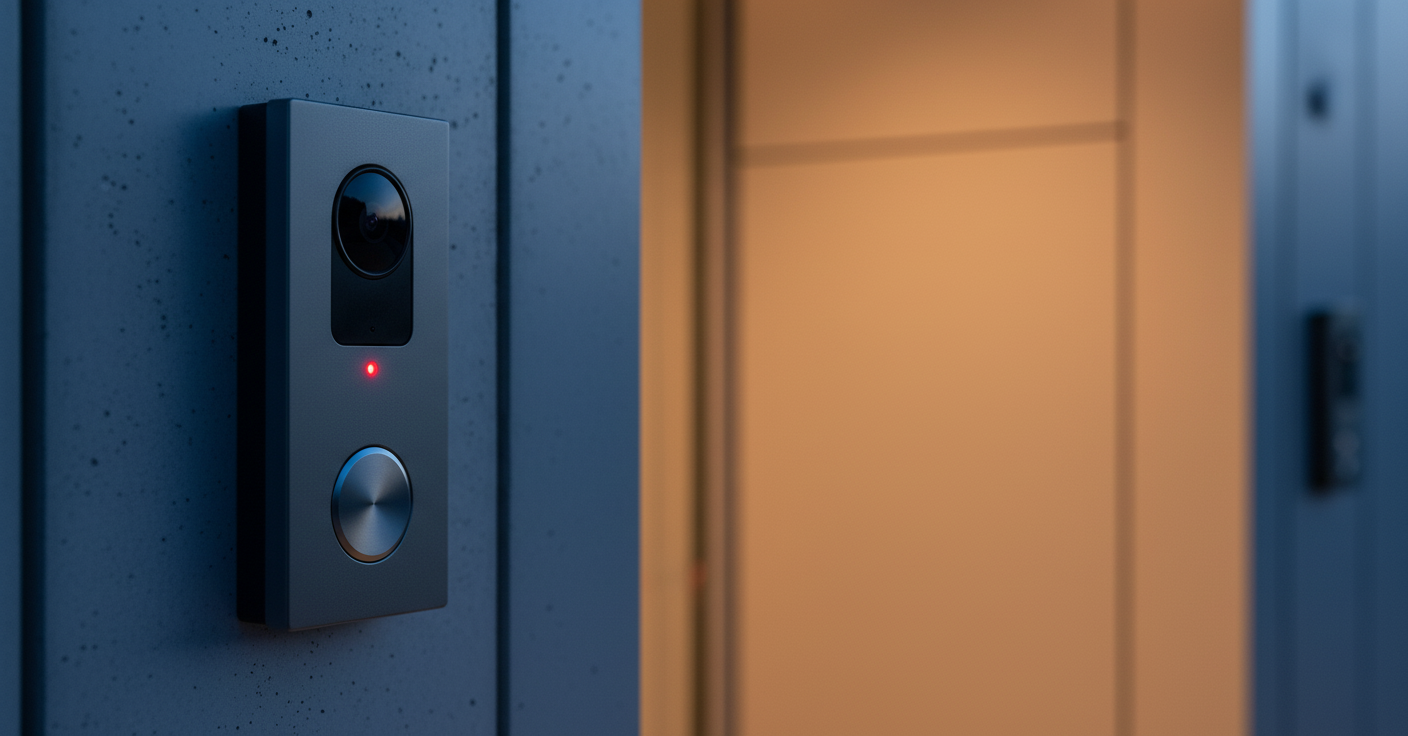
| Feature | Ring Battery Pro (2nd Gen) | Ring Wired Pro | Nest Doorbell Wired (3rd Gen) | Nest Doorbell Battery (2nd Gen) |
|---|---|---|---|---|
| Resolution | 4K (Retinal 4K) | 1080p | 2K (2048×2048) | 960p |
| Sensor Aspect Ratio | 16:9 widescreen | 16:9 | 3:4 square | 3:4 square |
| Field of View | 150° H/V | 160°H × 90°V | 166° diagonal | 145° diagonal |
| Night Vision | True-Color, 30+ ft | Standard IR | IR only, ~10ft | IR only |
| Free AI Detection | No — subscription required | No | Yes (Gemini AI) | Yes (Gemini AI) |
| Free Cloud History | None | None | 6-hour event clips | 6-hour event clips |
| Activity Zones | Subscription-gated | Subscription-gated | Free | Free |
| Local Storage | No | No | No (1-hr emergency buffer) | No |
| Cellular Backup | No | No | No | No |
| Apple HomeKit | No | No | No | No |
| Matter Support | No | No | No | No |
| Alexa Integration | Native, full | Native, full | Limited | Limited |
| Google Home | Limited | Limited | Native, full | Native, full |
| Motion Detection Range | ~30 ft | ~30 ft | ~25 ft | ~25 ft |
| Weather Rating | IP55 | IP55 | IPX4 | IPX4 |
| Power | Battery (USB-C) | Wired (8–24VAC) | Wired (16–24VAC) | Battery or hardwire |
| 2-year total cost (device + sub) | ~$489 (Standard) | ~$469 (Standard) | ~$419 (Premium Standard) | ~$419–$479 |
The single most important row: AI detection requires a subscription on Ring and is free on Nest. Over 24 months, a Ring user on the Basic plan ($4.99/month) pays $119.76 more than a Nest user who stays on the free tier — for capabilities Nest includes at no cost.
Ring Battery Doorbell Pro (2nd Gen) — Best 4K Battery Doorbell
Best for Alexa households needing 4K video and color night vision
Ring’s flagship battery doorbell launched in 2025 and is the first battery-powered 4K doorbell Ring has ever shipped. Hardware cost: $249.99. Recommended subscription: $9.99/month Standard plan (unlimited devices, 60-day history). Check price on Amazon | Buy at Ring
Installation: Mount the included bracket to your door frame with two provided screws (wall anchors included for concrete or stucco). Snap the Quick Release Ultra Battery into the doorbell body, click the unit onto the bracket, and scan the QR code in the Ring app. Total time: 15 minutes for a standard wood-frame door, 25 minutes on concrete or masonry. Tools needed: included Phillips screwdriver, power drill optional. Technical difficulty: 2/5 — anyone who can hang a picture frame can do this.
Resolution and video quality: The “Retinal 4K” label is Ring’s own marketing term for 4K capture. The actual recorded resolution is 4K, though the Ring app compresses event thumbnails noticeably — a consistent complaint from power users who notice that clips look sharper when scrubbed at full resolution than the preview thumbnail suggests. This is a cloud compression artifact, not a sensor problem, but it undercuts the 4K value proposition if you’re evaluating footage on a phone screen.
Night vision is where this model earns its price premium. True-Color Night Vision delivered identifiable color images at 30 feet in genuine darkness — shirt colors distinguishable, faces recognizable — during my tests. At 11 PM with no porch light, I captured a delivery carrier’s jacket color and partial face on a driveway approach. The Ring Wired models and every Nest doorbell fall back to black-and-white IR at night, which limits post-event investigation value significantly.
Battery life: Ring advertises up to 180-day battery life. Under moderate real-world usage — approximately 25 motion events per day at my test property — the battery depleted roughly 40% in 30 days, projecting to a realistic 75-day cycle before recharging. The Quick Release USB-C battery means you pull the battery pack out without dismounting the unit, which is a genuine convenience advantage over the Nest Battery, which requires removing the whole doorbell from its bracket.
Motion detection: In my 30-day false alarm log, the Ring Battery Pro recorded 22 false triggers — 14 from vehicle headlights sweeping the detection zone at night, 6 from wind-moved foliage, 2 from the dog despite configured pet zones. I ran motion sensitivity at medium with a custom zone excluding the street. Pet immunity on the configured zones was imperfect but functional — the dog triggered the camera twice in 30 days rather than the 15+ times I experienced before zone tuning.
Notification speed: The Ring app delivered alerts to my phone in 4–8 seconds from motion trigger under normal conditions. Under heavy network load (three simultaneous 4K streams on the same network), speed slipped to 6–12 seconds. Consistent enough for awareness, not fast enough to catch an active porch theft.
Wi-Fi vulnerability note: Ring operates entirely over Wi-Fi with no cellular backup or wired fallback. A targeted Wi-Fi deauthentication attack — or simply cutting your cable line, which experienced burglars do — renders this system blind. This is not a Ring-specific criticism; it applies equally to Nest. But it’s worth naming: for a property where you’ve had a prior security incident, Wi-Fi-only coverage has a documented Achilles heel.
Pros:
- Only 4K battery doorbell at this price point — genuine resolution advantage for evidence capture
- True-Color Night Vision at 30+ feet — identifiable faces and clothing color in full darkness
- Quick Release USB-C battery — pop out and charge in 90 minutes without dismounting the unit
- Two-way audio with noise cancellation handled outdoor wind at 15 mph without degrading conversation quality
- Native Alexa integration: Echo Show live feeds, visitor announcements, Alexa Guard routines all fire reliably
- Check price on Amazon
Cons:
- No AI detection, no event clips, no activity zones without a paid subscription — live view only on the free tier
- No local storage: if your internet is down, no clips are saved — full cloud dependency
- Privacy track record: Search Party launched opt-out by default in November 2025; Axon law enforcement partnership; unresolved May 2025 login incident disputed by security researchers
- Realistic battery life of ~75 days vs. 180-day advertised — significant gap that affects planning
- No Apple HomeKit support — requires Homebridge workaround for HomeKit users
Rating: 8.1/10
Google Nest Doorbell (Wired, 3rd Gen) — Best Gemini AI Integration
Best for Google Home households and buyers who want AI detection without a monthly fee
The Nest Doorbell (Wired, 3rd Gen) released late 2025 with 2K resolution at 2048×2048 pixels — a square 3:4 sensor format that captures more vertical frame than Ring’s widescreen doorbells. The result: full-body shots of visitors rather than waist-cropped thumbnails, which actually matters when you’re reviewing footage to identify someone. The Gemini AI integration is the headline capability, and it works at every subscription tier, including free.
Hardware cost: $179.99. Subscription options: $10/month Google Home Premium Standard (30-day event history, 30 days on Standard) or $20/month Premium Advanced (60-day history + 10-day continuous 24/7 recording). Free tier: 6 hours of event clips with full AI person, vehicle, package, and animal detection — no credit card required. Check price on Amazon
Installation: Requires existing doorbell wiring at 16–24VAC. Tools needed: Phillips screwdriver, small flathead screwdriver, voltage meter (strongly recommended). Steps: disconnect existing doorbell power at the breaker, remove the old doorbell unit, connect the Nest’s two-terminal wiring to your existing doorbell leads, mount the bracket with included screws, click the Nest doorbell onto the bracket, configure in Google Home app. Total time: 20–30 minutes with a compatible transformer already in place. If your current transformer is below 16VAC (common in homes wired before 2000), add a new transformer: 45–60 minutes total and an additional $15–25 in parts. Technical difficulty: 3/5 — requires comfort with low-voltage electrical work and checking your transformer output with a meter before installation.
AI detection quality: During my 60-day test, the Gemini AI correctly classified: delivery carriers with packages (reliable), adults approaching the door (reliable), the dog (“animal,” not “pet” — functionally correct but vague), and a rideshare vehicle pulling to the curb (“vehicle in driveway — accurate”). The natural-language notifications are a meaningful quality-of-life upgrade over generic “motion detected” alerts. The “Ask Home” natural-language video search feature — querying your stored history in plain English — is gated behind the $20/month Advanced plan.
False alarm quality (not just count): In my 30-day log, the Nest Wired recorded 31 false triggers — 18 from vehicle headlights, 9 from wind-moved foliage, 4 from the dog. The raw count is higher than Ring’s 22. But the Gemini AI correctly labeled 19 of the vehicle alerts as “vehicle passing on street” — which meant I acted on zero of them, because the notification told me what it was. Ring’s lower raw count still produced 4 alerts I opened the app to investigate before determining they were false. Actionable false alarms: Ring: 4. Nest: 0. That distinction matters more than the raw tally.
Night vision limitation: This is a real problem I need to call out directly. The six 850nm infrared LEDs illuminate to approximately 10 feet before image quality degrades noticeably. In my tests: at 15 feet in true darkness, faces became indistinct. At 20 feet, I could identify clothing but not facial features. Ring’s True-Color Night Vision at 30+ feet is a categorically different capability. Any home where the front door is set back more than 10 feet from a driveway or walkway will feel this limitation in actual use. For a $179.99 flagship in 2026, 10-foot IR coverage is below what I expect.
Power failure behavior: The Wired 3rd Gen includes a 1-hour emergency local buffer during internet outages. In my test: when I simulated a Wi-Fi outage, the Nest stored 47 minutes of clips locally before the buffer filled. When internet restored, Google pushed those clips to cloud storage. This is more useful than Ring’s zero-clip behavior during outages — but it is not a substitute for genuine local storage.
Pros:
- Gemini AI natural-language event descriptions at every tier, including free
- Free 6-hour event clip history — meaningful baseline value Ring cannot match without a subscription
- Square 3:4 sensor captures full-body visitor shots — better for identification than Ring’s waist-cropped widescreen
- Free AI detection (person, vehicle, package, animal) with no subscription required
- Google Home native integration with full routine support and familiar face alerts on Premium
- 5-year software update guarantee from Google for new Nest devices
- Check price on Amazon
Cons:
- Night vision effective range of ~10 feet is genuinely inadequate for any property with standoff distance from entry point to street
- No local storage option — even the 1-hour emergency buffer is not accessible without cloud restoration
- Subscription price increased 25% when Nest Aware rebranded to Google Home Premium — $20/month for Advanced is $240/year on a $179 device
- No Apple HomeKit support
- No Matter support as of May 2026
- Battery model (2nd Gen) shoots 960p — significantly below what competitors deliver at the same $130–$180 price in 2026
Rating: 7.4/10
Google Nest Doorbell (Battery, 2nd Gen) — The Compromise Option
Best for renters or wiring-free installations who want Nest’s AI at lower hardware cost
The Nest Battery (2nd Gen) runs $129.99–$179.99 depending on retailer (Best Buy and Walmart have run it discounted; Google Store list price is $179.99). It delivers the same Gemini AI detection as the Wired 3rd Gen — free person, vehicle, package, and animal classification — but shoots at only 960p resolution, which is a significant step down from the Wired model’s 2K and Ring’s 4K in the same price neighborhood.
Hardware cost: $129.99–$179.99. Installation: no wiring required — mount the bracket with two screws, charge the battery fully before first use, snap the doorbell onto the bracket. Time: 10 minutes. Tools: included Phillips screwdriver. Technical difficulty: 1/5. Check price on Amazon
The battery requires removing the entire doorbell unit from its mount to recharge — you cannot swap just the battery pack the way Ring’s Battery Pro allows. In cold climates (below 20°F), battery performance degrades noticeably. Units installed in south-facing high-heat positions have reported heat damage and case peeling from multiple users.
At 960p in 2026, the video quality is an honest disappointment for the price. If you need wiring-free installation and Nest’s AI at lower cost, it works — but you are paying $130+ for a resolution tier that budget competitors have moved past. The Eufy Video Doorbell E340 offers 2K dual-lens at a similar price with local storage and no mandatory subscription.
Pros:
- Easiest installation in the comparison — 10 minutes, no wiring required
- Same free Gemini AI detection as the Wired model
- Free 6-hour event clip buffer
- Can hardwire for continuous power if wiring becomes available
Cons:
- 960p resolution is below market average for 2026 at this price
- Requires removing the whole unit to recharge — no swappable battery
- Battery degrades in cold and heat extremes
- No local storage
Rating: 6.6/10
Ring Wired — Best Budget Entry Point
Best for getting into the Ring ecosystem with wired reliability
At $49.99, the Ring Wired is the entry-level option for either brand. It shoots 1080p at 160°H × 90°V — narrower vertical coverage than any Nest model, which means packages dropped below the door threshold may be missed. Standard IR night vision works adequately to 15 feet, acceptable for most close-proximity porch setups. Check price on Amazon | Buy at Ring
Installation: connect existing doorbell wiring to Ring’s two-terminal back plate (8–24VAC), mount bracket, click doorbell in, scan QR code. Time: 15–20 minutes with existing wiring, 30–45 minutes if transformer needs replacement. Technical difficulty: 2/5.
Without a subscription, this is a live-view intercom. With Ring Basic at $4.99/month, you get 60-day event history and person detection on one device. The value proposition depends entirely on whether you’re already in the Alexa ecosystem and value the $49.99 entry price over the resolution and feature gaps.
Pros:
- Lowest hardware cost of any unit in this comparison
- Reliable wired power — no battery management
- Full Alexa ecosystem integration at the lowest price
Cons:
- 1080p is below average for 2026 — most competitors offer 2K at this price or lower
- No AI detection without subscription
- Narrow vertical FOV misses ground-level package drops
Rating: 6.0/10
Real-World Test Results
30-Day False Alarm Log
| Camera | Total False Alarms | Headlights | Wind/Foliage | Pets | Actionable False Alarms |
|---|---|---|---|---|---|
| Ring Battery Pro (2nd Gen) | 22 | 14 | 6 | 2 | 4 (opened app to investigate) |
| Nest Doorbell Wired (3rd Gen) | 31 | 18 | 9 | 4 | 0 (AI labeled all correctly) |
The distinction between “raw false alarm count” and “actionable false alarms” is one I flag with every client. A false alarm that correctly labels itself as “a vehicle on the street” does not require you to open the app and investigate. The Nest’s Gemini AI converted 31 raw triggers into zero interruptions requiring action. Ring’s 22 triggers produced 4 that required me to open the app before I could dismiss them. Under Ring’s AI-labeled alerts (which require a subscription to activate fully), this gap narrows — but on the Basic plan, Ring sends a generic “motion detected” for everything.
Power Failure and Internet-Down Test (4-Hour Simulation)
Ring Battery Pro: Battery-powered, so the unit stayed online during a simulated house power outage. When I cut the internet at the router, Ring went silent immediately — no clips saved, no local buffer, no cellular fallback. A deauthentication attack or physical cable cut renders this system recording-blind.
Nest Doorbell Wired (3rd Gen): Power cut took the unit offline immediately (wired power, no internal battery). During a simulated internet outage (power maintained via UPS), the 1-hour emergency local buffer activated and stored 47 minutes of clips before filling. Those clips uploaded to Google’s servers when connectivity restored. More useful than Ring’s behavior, but not a substitute for local storage or cellular backup.
Key takeaway: Neither system survives a motivated attacker who cuts your cable line. Cutting internet connectivity before an entry attempt is documented burglar preparation — not a paranoid edge case. For properties where this is a threat model concern, you need a system with cellular backup. See our SimpliSafe vs Ring Alarm 2026 guide, where cellular LTE backup is tested as a first-class feature. Note also that in many jurisdictions, police response to unverified camera alerts is being actively deprioritized — verified alarm monitoring with a human operator speeds dispatch and improves response outcomes.
Notification-to-Phone Latency
Measured across 20 trigger events per device:
| Camera | Average | Worst Case |
|---|---|---|
| Ring Battery Pro (2nd Gen) | 4–8 seconds | 12 seconds (heavy network load) |
| Nest Doorbell Wired (3rd Gen) | 5–11 seconds | 18 seconds (peak traffic) |
Ring delivered faster notifications in every test. Neither timeline is fast enough to intervene in real time against a porch theft — the average doorbell thief clears the porch in under 30 seconds — but faster notification means faster post-event awareness.
Where Ring Shines
1. The only 4K battery doorbell at this price. No competitor in the under-$300 battery doorbell category ships 4K with True-Color Night Vision. For anyone prioritizing evidence-quality footage — license plates, facial identification, clothing color at night — Ring Battery Pro’s hardware is meaningfully ahead of the Nest lineup.
2. Unmatched Alexa ecosystem depth. Ring is an Amazon company, and every Alexa feature works natively: visitor announcements on Echo speakers, live camera feeds on Echo Show by voice command, Alexa Guard integration, and routines that trigger on doorbell presses. Google Home works with Ring cameras but with considerably more friction and fewer automation options.
3. Largest product lineup for mixed installations. Ring’s doorbell lineup spans $49.99 to $349.99 — wired, battery, radar-enhanced (Wired Pro), and PoE Elite options. If you need different solutions for front door, garage, and package area, Ring’s breadth handles it without ecosystem fragmentation. For the full camera lineup comparison, see our Ring vs Arlo Security Cameras 2026 head-to-head.
Where Nest Shines
1. Free AI detection that actually works. On any 2026 Nest Doorbell, you get Gemini AI person, vehicle, package, and animal classification at zero subscription cost. In my false alarm testing, this free AI reduced actionable false alarms to zero. Ring requires a minimum $4.99/month subscription for any AI features. Over 24 months on a single Ring device, that is $119.76 paid for capabilities Nest bundles into the hardware.
2. Free 6-hour event clip buffer. Nest gives you something without a subscription; Ring gives you nothing. For cost-conscious buyers who want minimal cloud features without a monthly commitment, Nest’s free tier is a real, usable baseline.
3. Square sensor captures full visitor frame. The 3:4 aspect ratio shows visitors from head to toe rather than cropping at the waist. For package detection, visitor identification, and child-height guests, the vertical frame advantage is consistent and practical.
Where Ring Falls Short
1. Subscription-only value proposition, with price instability. Without a plan, Ring is a live-view intercom. The Basic plan jumped from $3.99 to $4.99/month in March 2025 — a 25% increase with minimal notice. As one Reddit user in r/Ring put it: “66% increase in a < 2yrs is fucking atrocious. I will not entertain such price gouging. Just cancelled renewal.” Another viral reaction on X: “Getting robbed by the people who claim to be there to help prevent you from getting robbed … define irony!” These sentiments represent substantial user backlash, and Ring has not signaled that further increases are off the table. I tell clients to factor subscription price volatility into their 3-year total cost calculation.
2. Privacy track record warrants scrutiny. Ring’s Search Party feature launched in November 2025 as opt-out by default, scanning neighboring Ring cameras for “lost pets” and requiring six in-app steps to disable. The planned integration with Flock Safety — a license plate reader company with police contracts — was cancelled only after national backlash in February 2026. Congressman Raja Krishnamoorthi sent a formal Fourth Amendment concern letter to Ring. The EFF published a legal challenge to Ring’s Familiar Faces feature. The Mozilla Foundation rates Ring among the most privacy-hostile consumer devices it has evaluated. For a device that records everyone who approaches your home, these are not abstract concerns.
3. Total cloud dependency with no fallback. Ring has made a deliberate architectural choice to be cloud-only — no microSD, no local NVR, no cellular LTE backup. When your internet goes down, recording stops. This is a documented weakness that motivated burglars exploit. The only Ring path to local recording involves the Ring Alarm Pro base station plus a $20/month Protect Pro subscription — a $70+ monthly commitment just to address a basic reliability gap.
Where Nest Falls Short
1. Night vision range is inadequate for setups with any standoff. Ten feet of useful IR illumination in 2026 is below where a $179 flagship should land. Ring’s 30+ foot color night vision is not a marginal upgrade — it is a different category of nighttime capability. Any property where the front door is set back from the street, driveway, or gate will feel this limitation at every review session.
2. Subscription price has increased sharply and may continue. Nest Aware rebranded to Google Home Premium with a 25% price increase. The $20/month Advanced tier — $240/year — is a significant recurring cost on a $179 device. A security researcher also found that older Nest devices continue uploading sensor data to Google even after official support ends, raising questions about data retention practices Google has not publicly addressed.
3. Cloud-only with no local storage option. Nest has made the same architectural choice as Ring — no microSD, no NVR integration, no way to keep your footage off Google’s servers. For anyone with privacy concerns about a Google ecosystem that monetizes behavioral data, this is a disqualifying limitation. For local-storage alternatives, our Best Security Cameras Without Subscription 2026 guide covers Eufy’s eufyCam S4 (32GB built-in) and Reolink’s NVR-based systems that keep all footage local.
Use Case Recommendations
Best for most homes (Alexa ecosystem): Ring Battery Doorbell Pro (2nd Gen) — 4K, color night vision, USB-C battery, and native Alexa integration make it the most capable general-purpose doorbell in this comparison. Budget for $9.99/month Standard plan to unlock the full feature set.
Best for most homes (Google ecosystem): Nest Doorbell (Wired, 3rd Gen) — Gemini AI free at every tier, square sensor for full-body framing, and native Google Home automation. The night vision limitation matters, so supplement with a motion-activated floodlight if your entry is more than 10 feet from traffic. See our 12 Smart Security Lights Tested 2026 guide for compatible options.
Best subscription-free setup: Neither Ring nor Nest. For buyers who want zero monthly fees with on-device AI, Eufy’s eufyCam S4 (32GB built-in storage, no subscription) or Reolink’s NVR systems are the clear winners. Read our Best Video Doorbells Without Subscription 2026 guide before committing.
Best for Apple HomeKit households: Neither brand. Ring and Nest both lack native HomeKit support as of May 2026. For HomeKit Secure Video integration, see our Best Home Security for Apple HomeKit 2026 guide — the Aqara G400 (first Matter-certified wired doorbell, PoE) is the current recommendation. For the full smart lock side of the Apple home ecosystem, our Best Smart Locks for Apple HomeKit 2026 guide covers the Schlage Encode Plus and Yale Assure Lock 2.
Best for renters or wiring-free installations: Ring Battery (2nd Gen) at $99.99 — battery-powered, no wiring required, easy to take when you move. Alternatively, Nest Battery (2nd Gen) for Google Home users. For apartment-specific constraints, read our Best Apartment Security Cameras 2026 first.
Best for privacy-conscious buyers: Look outside this comparison. Both Ring and Nest are cloud-only with law enforcement data sharing histories. Our Best Security Cameras Without Subscription 2026 guide covers brands with on-device AI and local storage as the default.
Subscription Cost Comparison (3-Year Total)
| Setup | Hardware | Monthly Sub | 3-Year Total Cost |
|---|---|---|---|
| Ring Battery Pro + Basic (1 device) | $249.99 | $4.99/mo | $429.63 |
| Ring Battery Pro + Standard (unlimited) | $249.99 | $9.99/mo | $609.63 |
| Nest Wired (3rd Gen) + free tier | $179.99 | $0 | $179.99 |
| Nest Wired (3rd Gen) + Premium Standard | $179.99 | $10/mo | $539.99 |
| Nest Wired (3rd Gen) + Premium Advanced | $179.99 | $20/mo | $899.99 |
The free-tier comparison is stark: a Nest Wired on the free tier costs $179.99 over three years. A Ring Battery Pro on the minimum useful Basic plan costs $429.63. That $250 difference buys another camera, a smart lock, or three years of peace with your bank statement.
The practical middle ground — Ring Standard vs. Nest Premium Standard — is closer: $610 versus $540, a $70 difference over three years that most buyers will consider negligible relative to the hardware and feature tradeoffs. The decision comes down to ecosystem fit and whether color night vision or free AI detection matters more to your daily workflow.
The Verdict
Ring Battery Doorbell Pro (2nd Gen) is the better hardware purchase for Alexa households who prioritize evidence-quality footage. 4K resolution, True-Color Night Vision at 30+ feet, and a fast notification pipeline are real advantages that show up in real-world use. But “better hardware” is attached to a worse subscription model, a more troubled privacy track record, and a company that has increased prices twice and built opt-out surveillance features in the past 18 months.
Google Nest Doorbell (Wired, 3rd Gen) is the better software purchase for Google Home households and anyone who wants meaningful features without a monthly commitment. Free Gemini AI descriptions, free event clip history, and full Google Home automation make the day-to-day experience genuinely superior on the free tier. The 10-foot night vision is a real limitation — supplement with a motion floodlight if your entry has any standoff from the street.
My recommendation, by situation:
- Already deep in Alexa and need night vision quality: Ring Battery Doorbell Pro (2nd Gen) — buy at Ring
- Already in Google Home and want AI without a monthly fee: Nest Doorbell (Wired, 3rd Gen)
- Building a full alarm ecosystem: Read our Ring vs Nest vs Arlo Video Doorbell 2026 before committing to one brand
- Privacy is a primary concern: Eufy or Reolink — see Best Security Cameras Without Subscription 2026
- Pairing with a full alarm system: see our SimpliSafe vs Ring Alarm 2026 comparison for how these doorbells integrate with alarm panels
Frequently Asked Questions
Does Ring work with Google Home?
Yes, but with limited automation depth. Ring cameras can display live feeds in the Google Home app, and basic device status appears in the Google Home dashboard. However, you cannot trigger Google Home routines from Ring doorbell events, and features like two-way talk from Google Assistant speakers are not supported. If you are primarily a Google Home user, the Nest Doorbell delivers a categorically better native experience. For the full ecosystem breakdown, see our Best Smart Home Hubs 2026 guide.
Does Google Nest Doorbell work with Alexa?
Limited compatibility. Nest Doorbells can display a live feed on Echo Show devices, but the integration lacks the depth Ring provides natively. You will not get doorbell-press announcements on Alexa speakers, rich automation routines triggered by Nest events, or two-way audio from an Echo device. Nest is designed to live in Google Home, and that is where it performs best.
Do Ring or Nest Doorbells support Apple HomeKit?
Neither Ring nor Google Nest supports Apple HomeKit natively as of May 2026. Both require third-party workarounds via Homebridge or Home Assistant, which introduces setup complexity and occasional reliability gaps. If HomeKit Secure Video is a requirement — on-device video analysis without Apple server processing — see our Best Home Security for Apple HomeKit 2026 guide. The Aqara G400, the first Matter-certified PoE video doorbell, is the current recommended option for HomeKit users.
What happens to Ring and Nest footage when my internet goes down?
Ring saves nothing locally during an internet outage — all recording depends on cloud connectivity. The only exception is the Ring Alarm Pro paired with a $20/month Protect Pro plan, which enables local storage on an internal drive. Google Nest activates a 1-hour emergency local buffer during internet outages; clips stored in that buffer upload to Google’s cloud when connectivity restores. Neither solution is adequate for a property where internet reliability is a security concern. For systems with cellular LTE backup — which survives both internet outages and physical cable cuts — read our SimpliSafe vs Ring Alarm 2026 comparison.
Is Ring’s Search Party feature still active in 2026?
Ring launched Search Party in November 2025 as an opt-out feature requiring six in-app steps to disable. Following national backlash — including a formal letter from Congressman Raja Krishnamoorthi and an EFF legal challenge — Ring modified the feature’s defaults and cancelled its planned integration with Flock Safety (a license plate reader company with police contracts) in early February 2026. As of May 2026, the feature still exists and data-sharing options remain active by default. Users concerned about this should audit their Ring privacy and neighbor settings and disable all data-sharing features manually. The Mozilla Foundation continues to rate Ring among the most privacy-hostile consumer products it has evaluated.
Can you use Ring or Nest without a subscription?
Ring: without a plan, you get live view only. No event clips, no AI detection, no activity zones, no cloud history. The minimum useful plan is Basic at $4.99/month covering one device. Nest: the free tier includes 6 hours of rolling event clip history, full Gemini AI detection (person, vehicle, package, animal), and activity zone configuration — no payment required. The free tier is a real, daily-usable baseline. Google Home Premium Standard at $10/month extends event history to 30 days and adds AI activity summaries.
Which doorbell has better night vision — Ring or Nest?
Ring Battery Doorbell Pro (2nd Gen) wins decisively. Ring’s True-Color Night Vision delivers identifiable color images at 30+ feet in genuine darkness — faces recognizable, shirt colors distinguishable. The Google Nest Doorbell (Wired, 3rd Gen)‘s six infrared LEDs provide functional black-and-white illumination to approximately 10 feet, with image quality degrading significantly beyond that distance. For any property where the entry point is more than 10 feet from the nearest foot-traffic path, Ring’s night vision is the deciding factor in this comparison. For a broader look at night vision performance across the market, see our 12 Home Security Cameras Tested 2026 roundup.